01
Tree Removal
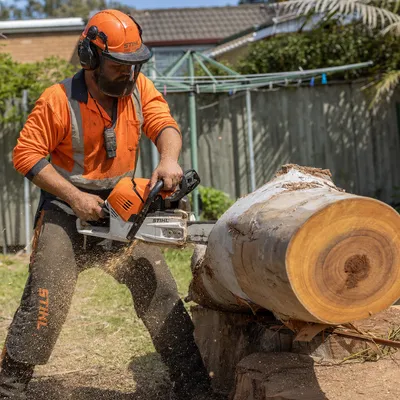
Safe sectional removal of dead, damaged or unwanted trees, including big hoop pines and gums close to roofs, pools and powerlines.
Tree Removal in Sunshine CoastFig. 01 · Tree Removal · Sunshine Coast, Queensland
Small arborist outfit working trees right along the coast and back into the hinterland ranges. Hoop pine over a Buderim escarpment block, a salt-rotted melaleuca leaning into a Coolum carport, a cyclone-snapped bunya across someone's driveway in Nambour, that's the day for us. Ring us for a same-day written quote, or send a photo through the form and we'll come back fast.
Free · Same-day reply · No obligation
Same-day reply. Quoted on site, no obligation.
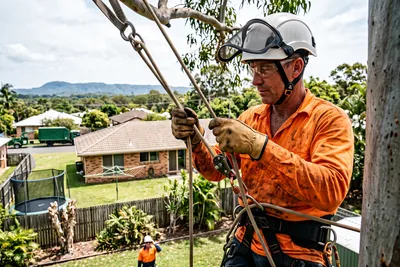
Plate 01 · Method
Every removal is planned before the first cut.
Paperbarks, casuarinas and old melaleucas along the coast suffer salt-spray timber decay. We see hollow trunks and rotted root flares constantly in beachside yards.
Core operations we run across Sunshine Coast and Queensland, from full sectional removals to stump grinding, pruning and written arborist advice. Each one planned to protect the tree, the property and the cleanup area.
Safe sectional removal of dead, damaged or unwanted trees, including big hoop pines and gums close to roofs, pools and powerlines.
Tree Removal in Sunshine Coast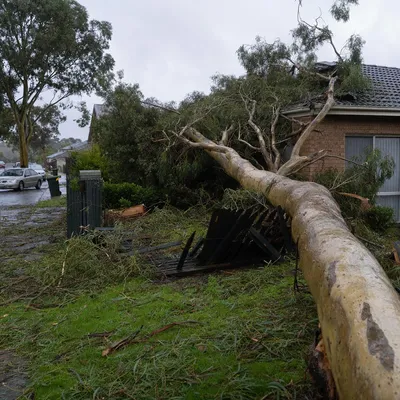
Day and night callouts for cyclone-snapped limbs, fallen trees and unstable canopies right across the coast and hinterland.
Emergency Tree Services in Sunshine Coast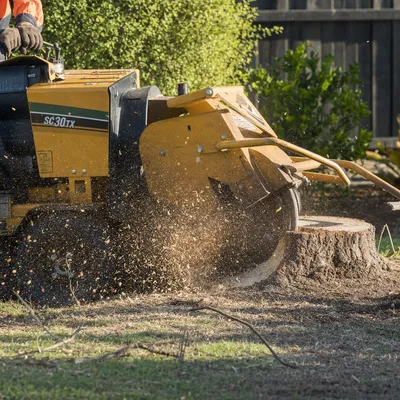
Below-grade stump grinding so you can returf, repave or replant. Narrow machines fit through standard side gates and pool gates.
Stump Grinding in Sunshine Coast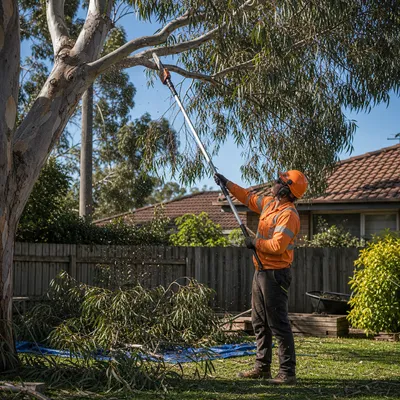
Crown lifting, deadwooding, canopy thinning and pre-cyclone pruning to drop wind load before storm season hits.
Tree Pruning in Sunshine Coast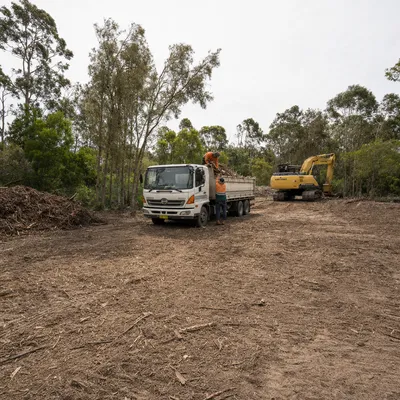
Residential, acreage and hinterland-block clearing. Selective vegetation removal, mulching on site, native canopy retained where required.
Land Clearing in Sunshine Coast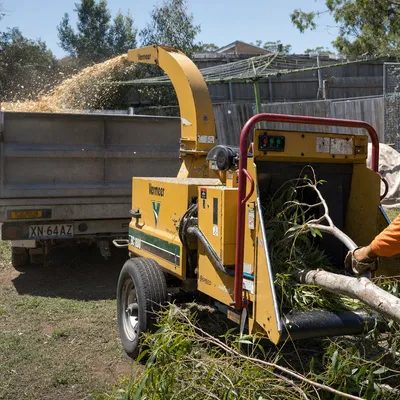
On-site chipping of green waste, plus bulk garden mulch in fresh or aged batches. Delivery anywhere across the coast.
Mulching & Wood Chipping in Sunshine Coast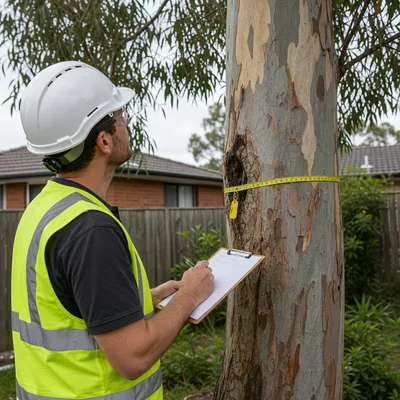
Written reports for council, insurance claims or neighbour disputes, coordinated with a qualified consulting arborist when written advice is needed.
Arborist Reports in Sunshine CoastA clear field procedure. Every removal follows the same sequence across Sunshine Coast so nothing is rushed and nothing gets missed on the day.
Phone in or use the enquiry form. A couple of photos from a few angles, plus the side-gate width and anything close to the tree, lets us scope the job before we drive out.
On site we walk the drop zone, the access route and anything fragile nearby. Pool, gutters, neighbour's roof, pet enclosure, all of it gets factored in.
A real quote with separate lines for climbing, rigging, chipping, stump and haul-away. You know exactly what each part costs before you say yes.
Climber, groundies, chipper and tipper on site. Sectional dismantling, controlled rigging, drop zone fenced off, everything down piece by piece.
Stump ground below grade if you've taken that line item. Mulch left, spread or hauled. Drop zone raked, paths blown clean, gate latched on the way out.
Sunshine Coast throws a few things at a tree crew that shape every quote. Knowing them before we cut is half the job.
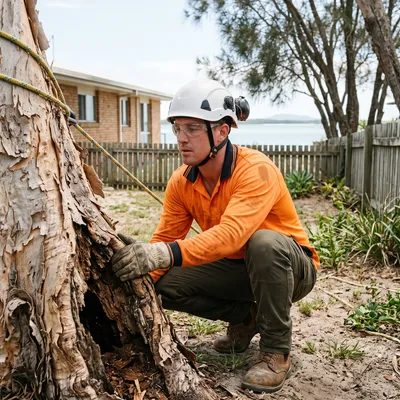
Paperbarks, casuarinas and old melaleucas along the coast suffer salt-spray timber decay. We see hollow trunks and rotted root flares constantly in beachside yards.
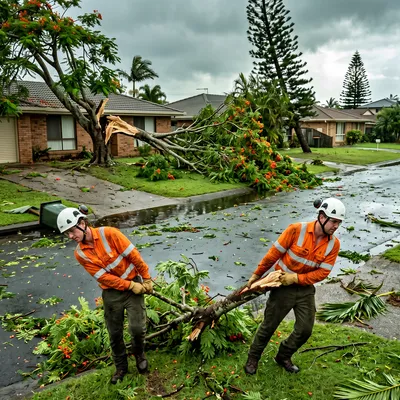
Ex-tropical-cyclones tear through the coast every wet season. Bunya pines, hoop pines and big poincianas snap and shed, and we run round-the-clock callouts during active weather.
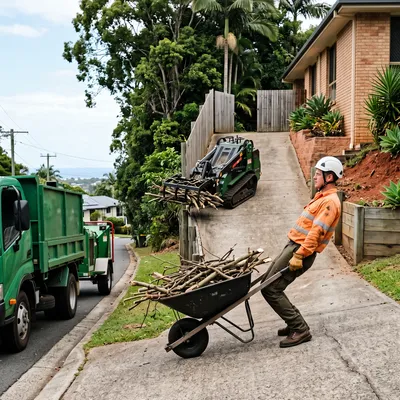
Steep blocks off the Blackall Range and around Buderim need careful rigging anchors and sometimes a long lower onto a flat pad. Heavy clay soils hide root rot, so leaners are common.
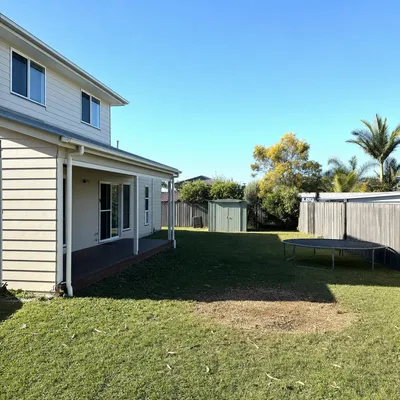
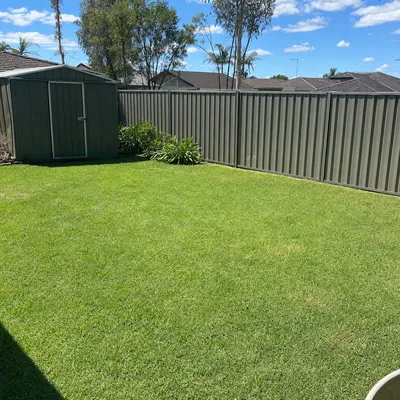
A snapshot of the common jobs we quote on across Sunshine Coast, each shown with the tree and the work we carry out on the day.
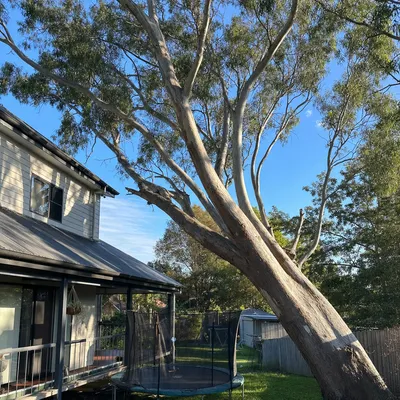 Before
  After
After 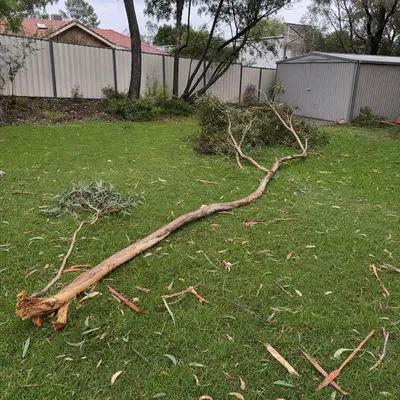 Before
  After
After 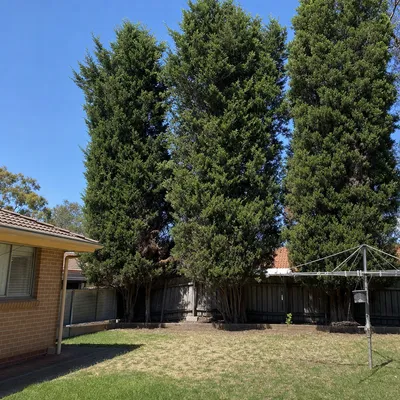 Before
 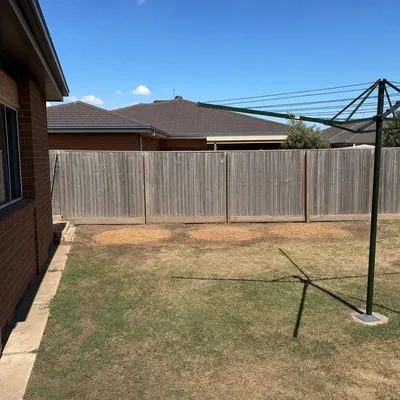 After
After 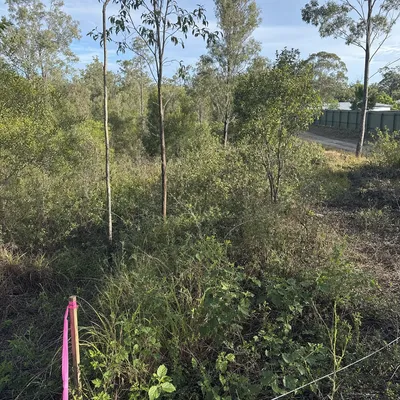 Before
 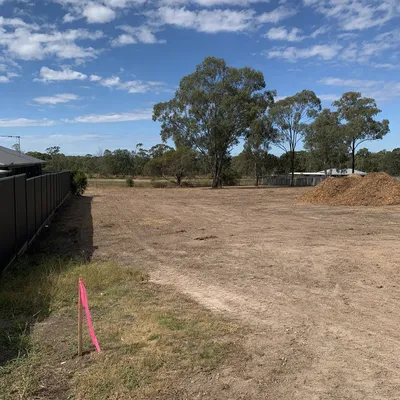 After
After 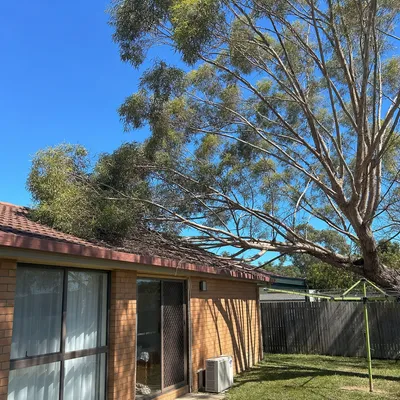 Before
 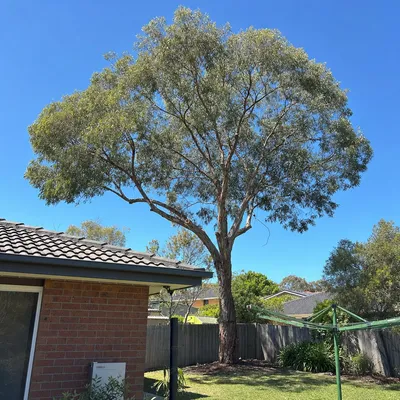 After
After 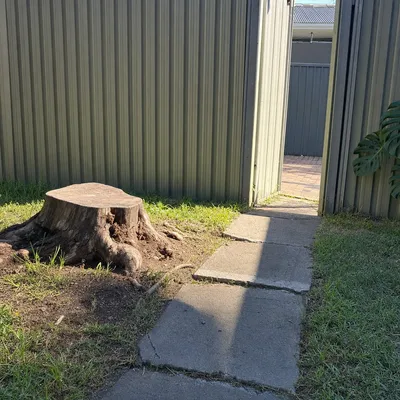 Before
 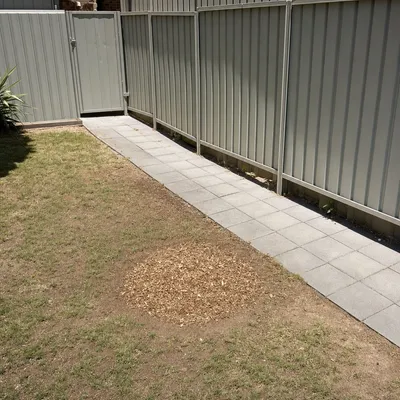 After
After Indicative rates by tree size. Final price is set on site against access, risk and the gear the job needs.
Backyard tree under 6m, easy access, no rigging
6 – 12m hoop pine, fig or gum, standard side-gate access
Over 12m, leaning towards a house, pool or powerline, or a steep hinterland block
Cyclone callouts, weekends, late-night make-safe work
All ranges inc. GST · quoted on site, no obligation.
The cheap quote and the expensive quote are usually the same job done two different ways. Here's how to tell which one you're getting, and what a real quote should look like before you say yes.
Public liability cover
Ask for a current Certificate of Currency before any saw runs. Cover under ten million is light for tree work near houses on the coast.
Written itemised quote
A real quote separates access, climbing, rigging, chipping, stump and cleanup. One round number with no breakdown is a sign the price can move on the day.
On-site quote, not phone-only
Quoting a big tree without seeing the access and drop zone is guesswork, especially on hinterland blocks. Insist on a site visit for anything bigger than a small backyard tree.
Qualified climber on site
Ask who is actually doing the climbing on the day, and whether they hold current chainsaw and aerial-rescue tickets. Get a name, not a vague pitch.
Pruning to the standard
If pruning is part of the job, ask whether they prune to the Australian standard. Topping and lion-tailing break the standard and ruin the tree long-term.
No cash up front
Honest crews invoice on completion or take a small card deposit at most. Cash up front then disappear is the standard cyclone-season scam pattern.
Clean truck, modern chipper, signage
An outfit that turns up in an unmarked ute with a hand saw is almost always uninsured. A real crew brings a chipper, a tipper and a logo on the door.
Local references
Ask for two recent jobs in your suburb or the next one over. A local crew names streets and sends before/after photos without hesitation.
Storm damage usually yes, removing a healthy tree usually no. Here's the line most Sunshine Coast policies draw. Always confirm with your specific insurer.
Cyclone-fallen tree on your house, fence or car
Most home and contents policies cover removal of a storm-damaged tree that has hit an insured structure on your property.
Immediate make-safe work
Stabilising a half-fallen tree to stop further damage is usually part of the claim, not a separate cost to you.
Debris removal tied to the damage
If a tree came off your roof, the cleanup and stump grind connected to that claim is usually picked up by the insurer.
Emergency callouts authorised by the insurer
After-hours make-safe is usually reimbursed if you ring the insurer first and they greenlight the work before we start.
Healthy tree you want gone
Removing a tree that hasn't damaged anything is owner-paid, even if you think it's risky or you don't like the leaf drop.
Preventative pruning
Pre-cyclone canopy thinning, deadwooding and gutter pruning are maintenance, not insurance work.
Stump grinding after a healthy removal
If there was no insured damage, the stump and its grind are yours to wear.
Neighbour's tree you want gone
Your home insurer will not pay to remove someone else's tree from their block, no matter how much you'd like it gone.
We provide the written job report and Certificate of Currency at no extra cost. Just ask when booking.
Most small backyard trees on residential blocks don't need a permit. Large, native or heritage trees usually do. Run through these questions before booking.
Trees that hit those measurements are normally protected under the local planning scheme and need a permit.
Overlay zones add extra restrictions on top of the standard tree rules. Check your property report or planning certificate.
Listed and heritage-overlay trees almost always need approval before any work, regardless of size or species.
Any answer "yes"? A permit application is the safest path. Removing a protected tree without one carries fines starting around $2,000.
Sunshine Coast Council permit formThree things you choose at quote time: what we do with the chips, whether the stump goes, and what you want left as firewood.
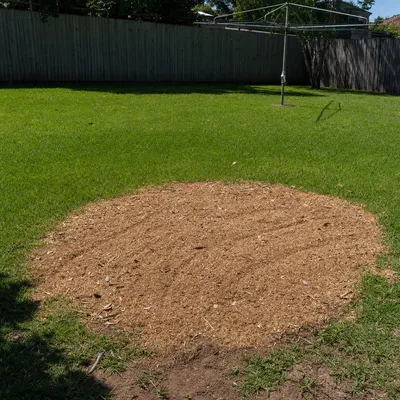 01
01 Green waste is chipped on site. Leave the pile as a fresh mulch heap, spread it through the garden beds, or pay a haul-away line to remove it.
 02
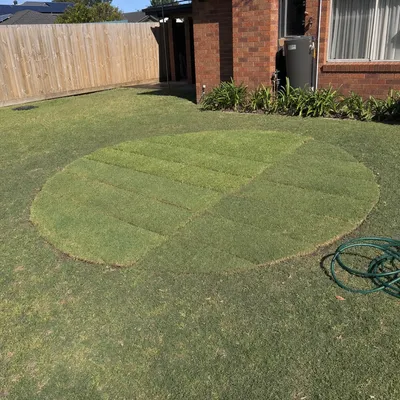
02 Stump grinding is its own line item ($150–$400 typical). Once it's ground, the patch can be returfed, repaved or replanted within the week.
 03
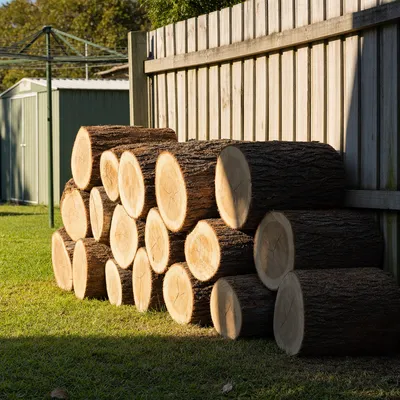
03 Solid hardwood rounds (where the species is suitable) can be cut and left stacked along your fence on request. Handy if you've got a fire pit or pizza oven.
After the stump grind, fill the void with screened topsoil and tamp it down hard, raw chips alone will sink as the wood breaks down. For turf, lay couch or buffalo rolls over a 50mm layer of topsoil and water in daily for the first ten days. For a garden bed, mix the chips with compost and let the bed rest a season before planting anything precious, decomposing wood pulls nitrogen out of the soil as it breaks down. In subtropical heat, a thick mulch layer also keeps the new root zone from cooking through summer.
The fence line is where most tree disputes start. The rule in Queensland is simple, but only if you know where the trunk actually sits at ground level.
Rule If the trunk sits inside your boundary at ground level, the tree is yours, even when the canopy overhangs the neighbour. You wear the removal cost and any council permit.
What we do Quote it like any other backyard job. If access is through the neighbour's yard, we knock on their door and check first.
Rule If the trunk straddles the fence line, ownership and cost are shared. Neither side acts alone, you both need to sign off in writing before any work happens.
What we do We don't touch a shared tree until both owners have signed off the scope, cost and split. Protects you, the neighbour and us.
Rule If a neighbour's tree drops limbs or roots onto your block, you can prune what crosses the boundary, but you pay for the work and the cuttings legally belong to them.
What we do We can prune cleanly to the boundary line. If the tree is a real hazard, we'll also have a friendly word with the neighbour to head off a dispute.
Stuck mid-dispute? Call us first. We'll quote both sides without taking a position. Most neighbour issues are solved by getting an honest written quote in front of both parties.
Talk to us about a boundary treeA small straightforward tree can cost a few hundred dollars. A large hazardous removal with rigging and tight access can run to several thousand. Here's what we actually weigh up.
Height, trunk diameter at chest height and canopy spread are the headline cost drivers.
A 900mm side gate, a steep hinterland driveway or a pool deck in the way all add climbing and rigging hours.
Anything over a roofline, pool, powerline or a neighbour's fence needs every limb roped and lowered, not free-dropped.
Grinding below grade adds machine time. Salt-rotted softwoods grind fast, dense hardwood root flares take longer.
Big canopies make a lot of chips. Hauling chips and logs off site is a separate line item.
Cyclone callouts and after-hours make-safe work carry a surcharge on top of the standard day rate.
Fig. 07 · Service area
A local crew covering the suburbs below and plenty more around them. If yours isn't listed, call us. We likely cover it.
Why locals choose us
Qualified arborists with public liability insurance and a locally based crew. Quotes are written and itemised. Sites are left clean.
Public liability insured
Qualified arborists on every job
Same-day written quotes
Locally owned, working the coast and hinterland
Every job gets a rigging plan and a drop-zone walk before any saw runs.
Climbing gear, narrow-gate stump grinders, EWP and chipper on the truck
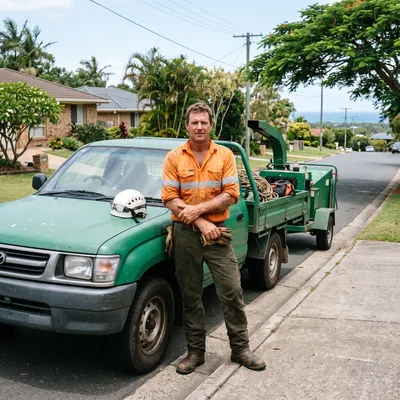 Plate II · On the tools
 Fig. 08 · About us
We've been climbing and dropping trees up and down this coast for years, mostly the jobs other outfits won't price, leaning hoop pines on hinterland blocks, salt-burnt paperbarks behind Coolum, the half-snapped poinciana hanging over the kids' trampoline after the last ex-cyclone came through.
Local crew that knows the difference between a hinterland block off the Blackall Range and a flat Twin Waters canal yard. Different rigging plan, different gear, different access route. We work to the conditions the coast actually throws at trees, not a generic playbook. Camphor laurel turns up a lot on older Nambour and Palmwoods blocks. Self-seeded from last century's plantings, the wood is soft and sections fast once we're up in it. Norfolk pines along the Mooloolaba and Alexandra Headland beachfront are a different job. Tall straight trunks, almost no low branching, so rigging points sit high and the climb takes longer. Sandy coastal soils around Maroochydore and Kawana hold less water than the clay further inland. Root plates lift more easily in wet ground, so we check for movement before anyone climbs. A council-protected tree under the Sunshine Coast Council vegetation planning scheme needs the permit sorted first. We can point you to the online mapping tool if you're not sure whether your tree qualifies. A mid-size camphor laurel removal with reasonable access usually runs $1,200 to $2,200. A Norfolk pine of similar height costs more, the beachfront access and extra rigging push that job higher.
Prices run from a few hundred dollars for a small backyard tree up to several thousand for a large hoop pine or fig near a house or powerlines. The drivers are tree size, access, risk, stump grinding and cleanup. Ring us or send a couple of photos through the form for a same-day indicative quote.
Yes. Our climbers are qualified arborists with current chainsaw and aerial-rescue tickets. We carry public liability cover and can email you a current Certificate of Currency before the job starts.
We aim to send a same-day quote on most enquiries and book non-emergency work in within the week. Storm callouts and dangerous-tree work run 24/7 across the coast and hinterland.
Yes. Trees near a roof, fence, pool or powerline get sectional dismantling and controlled rigging so the tree comes down a limb at a time. We walk the drop zone and lock in the rigging plan before any saw runs.
Yes. Ex-tropical-cyclones tear through the coast every wet season and we run 24/7 make-safe work for fallen trees, snapped limbs and unstable canopies. Ring during the event for triage and we'll get a crew on the road as soon as the wind drops.
Stump grinding is a separate line item. Tick it on if you want the stump gone, leave it off if you'd rather grind it later or live with it. When we do grind, it goes below grade so you can returf, repave or replant straight away.
A small backyard tree is a half-day job. A medium tree with rigging is a full day. Large hoop pines, hinterland-block jobs or multi-tree sites can run across two or more days. The written quote spells out the expected duration for your job.
Yes. Green waste is chipped on site, the drop zone gets raked and paths blown clean. Mulch can stay on the garden, get spread out, or get hauled away. Hardwood rounds can be cut for firewood and left stacked on request.
We check every tree before any cutting starts. If a hollow or active nest is in use, we pause, reschedule or work carefully around it. Koala-habitat overlay rules also kick in for some species on the coast.
Yes. Late dry-season is the right window for cyclone pruning. We crown thin, lift the skirt and pull deadwood out to drop wind load before storm season hits. Done properly, it gives a tree a real chance of riding out an ex-cyclone in one piece.
Yes. Steep blocks off the Blackall Range and around Buderim are normal for us. The rigging plan changes (different anchor points, sometimes a long controlled lower onto a flatter pad below) and access can mean carrying gear up by hand instead of running the chipper to the tree.
Yes. We can quote the job and walk both sides through what's involved. We won't start until both owners are aligned in writing on the scope and who is paying which share.
Cyclone or storm damage to your house, fence or car is usually covered, including the make-safe work and debris removal tied to the claim. Removing a healthy tree because you want it gone, or preventative pruning, is usually not covered. Ring your insurer before you authorise work, and ask us for a written job report and Certificate of Currency to attach to the claim.
Ask for a current public liability Certificate of Currency, an on-site quote rather than phone-only, and a written itemised quote that breaks out access, climbing, rigging, chipping, stump and cleanup. Avoid anyone asking for cash up front. Look for a marked truck, modern chipper and a named climber with current tickets. Door-knockers in unmarked utes after a cyclone are almost always uninsured.
A real quote has separate lines for site setup, the climber or EWP, rigging and controlled lowering, on-site chipping of green waste, optional stump grinding below grade, haul-away of chips or logs, and GST. A single round number with no breakdown is usually how the price gets to move on the day.
If the tree was on your property, you arrange the removal. Your home and contents insurer usually pays for removing it when it has damaged an insured structure, ring them first and send photos before anything is moved. If a neighbour's tree fell onto your place, you still arrange removal but you can claim it back through your insurer if there's damage, or through the neighbour's insurer if negligence is proven.
Permits are usually required for protected trees under the local planning scheme, native trees from four metres tall and 40cm trunk circumference, anything inside a vegetation management or koala-habitat overlay, and trees listed as significant or sitting in a heritage zone. Dead, dying or imminently dangerous trees, fruit trees and small trees under the protected thresholds are usually exempt. Confirm with the council before the job, fines for unpermitted removal start around $2,000.
Most of the cost is risk and rigging, not the cutting itself. A flat block where the tree drops straight to lawn is quick and cheap. A big hoop pine behind a hinterland house with pool, powerlines and a tight side gate needs every limb roped and lowered piece by piece, that's hours of climbing time and specialised gear. The chainsaw work is the small part.
Once the stump is ground, backfill the void with screened topsoil rather than raw chips, chips slump as they break down and tie up nitrogen. For lawn, roll buffalo or couch over fresh topsoil and water in daily for ten days. For a garden bed, let that spot sit a season before planting anything you care about, so the residual wood can break down. In subtropical heat a thicker mulch layer also keeps the new root zone cool through summer.
Much of the Sunshine Coast falls inside the declared fire ant biosecurity zone. That covers any soil, mulch or green waste leaving your property during a stump grind or a clearing job. It has to go through the proper movement channels. Treated or taken to an approved facility, not trucked round to a mate's place. We handle that as standard on any job where material's leaving site. It doesn't add much to the quote, but it does need to be planned in.
If a tree has an active flying fox roost, that colony is protected and we can't just cut around it. Big coastal figs along the Maroochy River or around Buderim are the usual spots. We check for droppings, noise and camp activity before quoting. If a roost is active, we'll tell you honestly that the job needs to wait or be scoped differently. Cutting into an active camp without approval carries real penalties, not worth the risk for either of us.
Fig. 09 · Request an assessment
Send the tree size, access and timing. We reply the same day with an honest, itemised quote. No high-pressure sales.